
Water Well Drilling Taunton MA
& Well Service Southern MA
From advanced hydrogeological drilling in the bedrock of Bristol County to emergency pump repairs on the Cape, South Mass Water Wells delivers reliable, clean water solutions built to last in Southeastern Massachusetts' unique coastal and glacial aquifers.
Request Expert Quote
Immediate dispatch available for emergencies.
Comprehensive Water Systems
We leverage decades of geological data and state-of-the-art equipment to provide comprehensive well construction, maintenance, and water quality solutions.
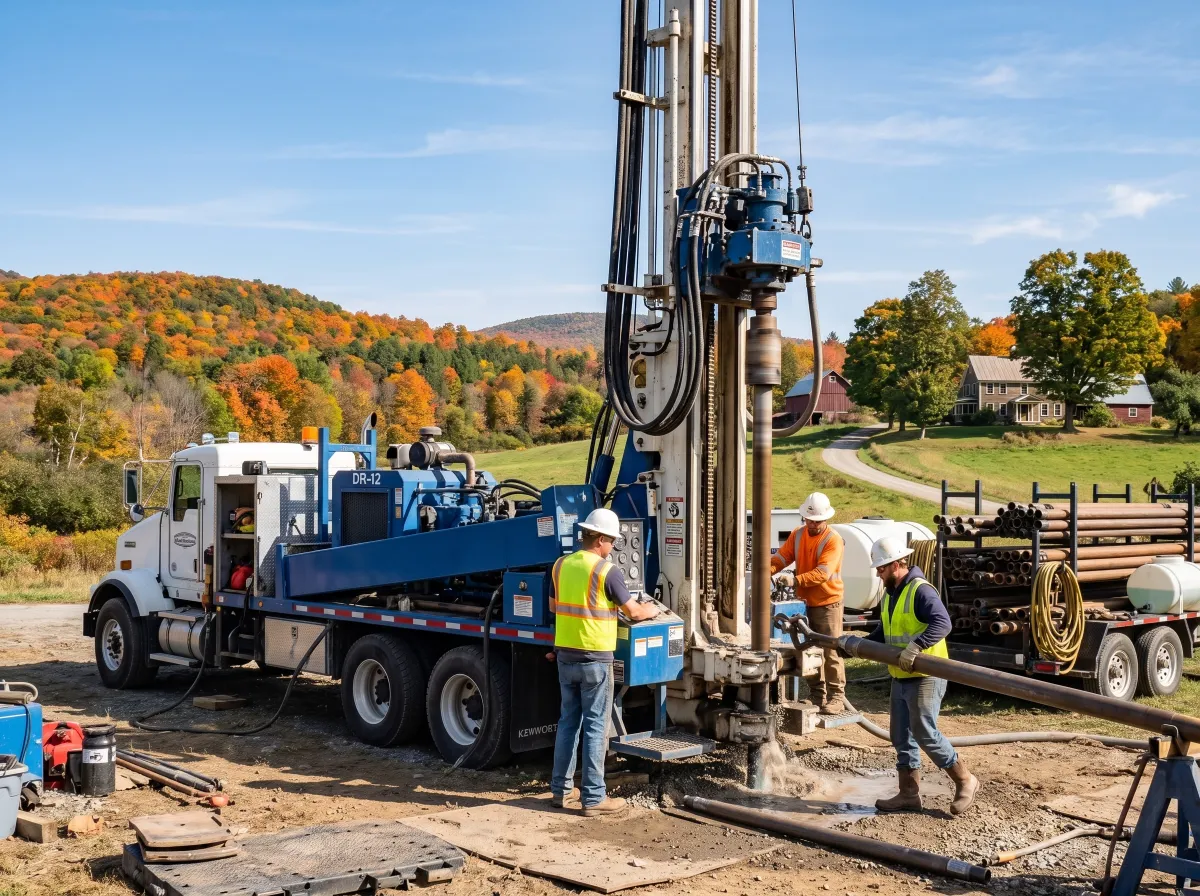
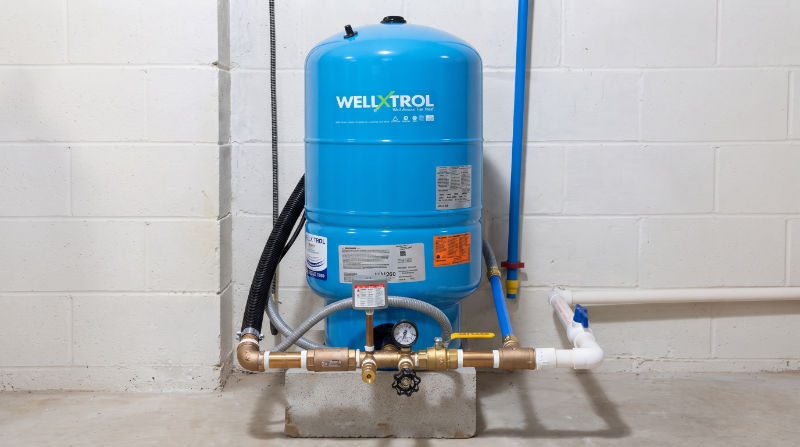
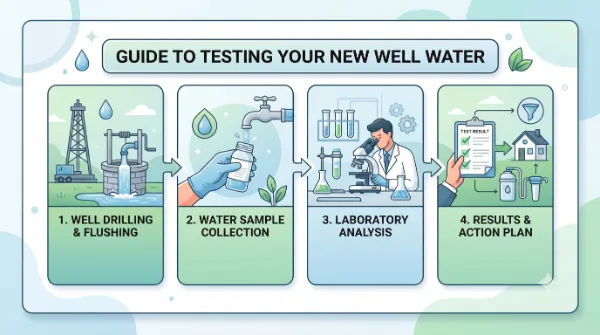
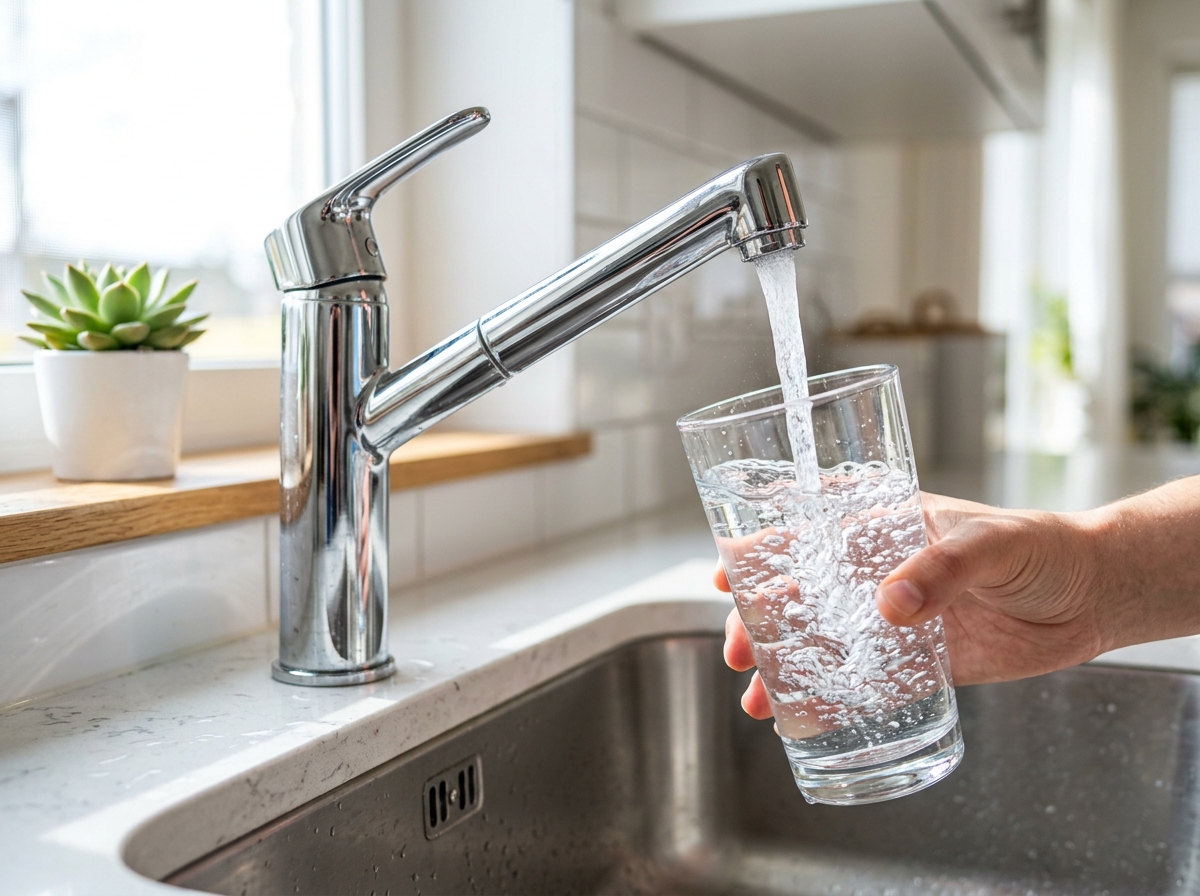
Our Streamlined Well Drilling & Service Process
1. Consultation & Site Evaluation
Assess water needs, review property setbacks from septic/property lines.
2. Permitting & Drilling
We handle local Board of Health filings and execute precision rotary drilling.
3. Testing & System Hookup
Rigorous water testing, pump installation, and system commissioning.
Understanding Hydrogeology in Southeastern Massachusetts
Drilling a reliable, high-yield water well in Southeastern Massachusetts requires more than just heavy machinery. It demands a profound understanding of the region's complex geology, fluctuating water tables, and strict municipal permitting regulations. South Mass Water Wells is your authoritative source for hydrogeological solutions.
Inland Fractured Crystalline Bedrock: Bristol County (Taunton & Raynham)
When discussing Water Well Drilling Taunton MA and the surrounding inland communities of Bristol County, the conversation is fundamentally about bedrock. Unlike coastal areas, towns like Taunton and Raynham are situated above ancient, dense crystalline rock formations. This geology is characterized by solid granite and metamorphic rocks that have virtually no primary porosity—meaning the rock itself does not hold water like a sponge.
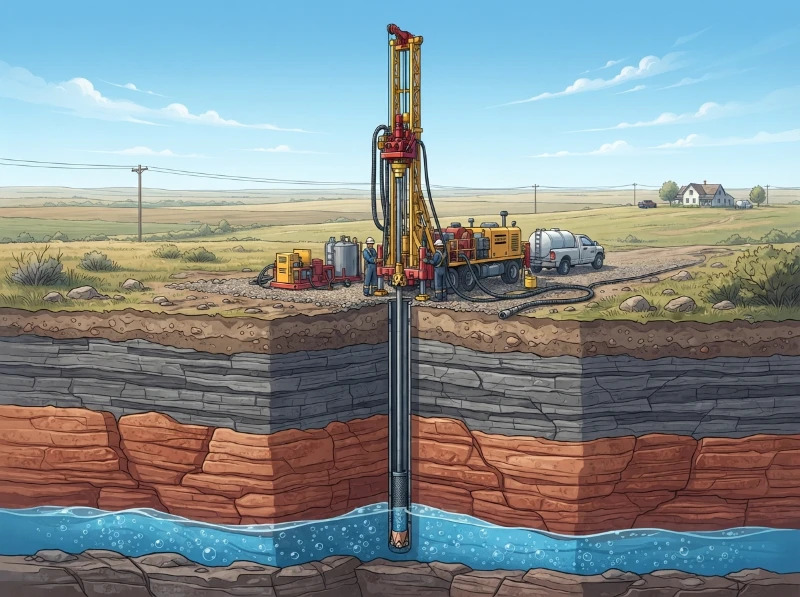
Instead, groundwater in Bristol County is stored in and moves through secondary porosity—a complex, interconnected network of fractures, faults, and joints within the rock. Striking water in this environment requires precision and a deep understanding of local structural geology. A successful well must intersect enough of these water-bearing fractures to provide a sustainable yield for a household or commercial property.
One of the significant challenges with Well Service Southern MA in these inland bedrock aquifers is the vulnerability to seasonal static water level drops. During the late summer months, or during extended periods of drought, the water level within these fracture networks can decline significantly. Because the storage capacity (storativity) of fractured bedrock is relatively low compared to sand aquifers, these seasonal drops can lead to dry wells or severely reduced yields if the well was not drilled deeply enough or if the pump was not set at the correct depth.
Our drilling teams utilize state-of-the-art air rotary and down-the-hole hammer drilling rigs specifically designed to penetrate this hard rock efficiently. We carefully log the depth and yield of each fracture encountered during the drilling process, ensuring the well is drilled to a depth that provides ample reservoir capacity to withstand seasonal fluctuations. We also employ hydro-fracking techniques when necessary to open up and connect existing fractures, significantly increasing the yield of underperforming bedrock wells.
Glacial Sand Outwash Aquifers: Barnstable County (Cape Cod)
In stark contrast to the hard bedrock of Taunton, the hydrogeology of Barnstable County (Cape Cod) is defined by its glacial past. The Cape is essentially a massive deposit of sand, gravel, silt, and clay left behind by the retreating Laurentide Ice Sheet over 15,000 years ago. These deposits form highly permeable, unconfined "stratified drift" or "outwash" aquifers.
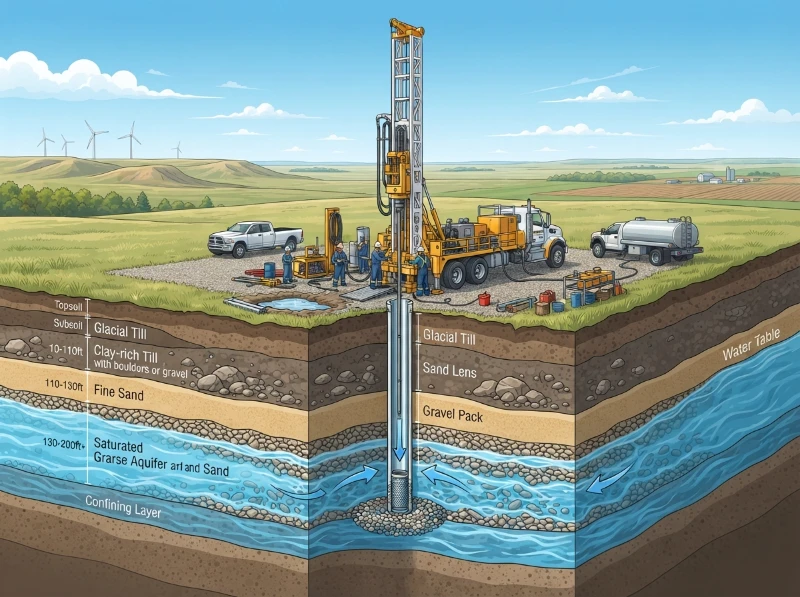
The primary source of drinking water on Cape Cod is the Sagamore and Monomoy Lens—massive underground reservoirs of freshwater that literally float on top of denser, deeper saltwater. Because sand and gravel have excellent primary porosity, these aquifers generally provide abundant water yields at relatively shallow depths. However, this geology presents a completely different set of challenges for well construction and maintenance.
The high permeability of glacial sand means that the aquifer is incredibly vulnerable to surface contamination. Rainwater, carrying surface pollutants, percolates rapidly through the sandy soil directly into the groundwater. Two of the most pressing issues in coastal Massachusetts are saltwater intrusion and PFAS contamination.
Saltwater intrusion occurs when a well is pumped too heavily (over-drafting), causing the freshwater/saltwater interface to rise up into the well screen—a phenomenon known as upconing. Once a well is contaminated with saltwater, it is often irreparably damaged. Therefore, precise depth calculation and careful pump sizing are absolutely critical on the Cape to maintain the delicate balance of the freshwater lens.
Furthermore, coastal aquifers have shown increasing vulnerability to PFAS (per- and polyfluoroalkyl substances)—often referred to as "forever chemicals." Because the sandy soil offers little natural filtration, these chemicals can migrate easily into drinking water supplies. South Mass Water Wells specializes in the design and installation of advanced Point-of-Entry (POE) Granular Activated Carbon (GAC) and Reverse Osmosis (RO) filtration systems specifically targeted at mitigating PFAS and VOCs in Cape Cod well water.
24/7 Well Pump Repair Cape Cod & Emergency Services
A sudden loss of water pressure or a completely dry tap is a major disruption to your home or business. In many cases, the issue is not the well itself, but a failure within the mechanical pumping system. South Mass Water Wells provides rapid-response, 24/7 Well Pump Repair Cape Cod and throughout Southeastern Massachusetts to ensure you are never left without water when you need it most.
Pump failures can occur for a variety of reasons, particularly in the demanding environments of both coastal and inland aquifers. In coastal areas with high iron and manganese concentrations, mineral buildup can encrust submersible pump intakes and impellers, causing the motor to overheat and burn out. Inland, power surges from severe weather or lightning strikes can instantly destroy a pump's control box or motor windings. Additionally, a waterlogged pressure tank—where the internal bladder has ruptured—will cause the pump to rapidly cycle on and off (short-cycling), dramatically reducing the lifespan of the equipment.
Our licensed pump technicians travel with fully stocked service vehicles, carrying a wide array of top-tier submersible pumps, jet pumps, variable frequency drives (VFDs), pressure switches, and well tanks. This allows us to diagnose the electrical or mechanical fault and perform the necessary repairs or complete system replacements on the spot, usually within a single visit.
We emphasize 24/7 availability for emergency pump failures because we understand that water is an absolute necessity. Whether it is a Sunday morning, a holiday, or the middle of the night, our dispatch team is ready. We pride ourselves on transparent diagnostics, explaining exactly why the component failed and offering robust, long-term solutions—such as upgrading to a constant pressure system—rather than just temporary band-aids.
Navigating Local Board of Health Regulations & Permitting
Beyond the physical drilling and mechanical installation, constructing a new water well involves navigating a complex web of municipal regulations. Water well permitting in Barnstable County, for example, is regulated by individual towns rather than a centralized county authority.
Local Permitting Expertise
Technical Note: Permitting in Barnstable County features application fees ranging between $45 and $200, depending on the municipality, with a typical 1-to-3-week approval timeline. These permits are generally valid for 6 months and mandate that the work be performed by a state-certified driller. Critical site setback reviews are strictly enforced (e.g., maintaining a minimum of 100 feet from septic systems and 50 feet from property lines). Furthermore, mandatory post-drilling water testing is required before a certificate of compliance is issued.
South Mass Water Wells handles the entirety of this permitting process on behalf of our clients. We work directly with local Boards of Health, submit the necessary site plans, schedule inspections, and ensure full compliance with Title 5 and all local BOH addendums. Our deep familiarity with the regulatory landscape across Taunton, Cape Cod, and all of Southern MA ensures that your project proceeds smoothly, legally, and without unnecessary delays.
Frequently Asked Questions About Well Drilling & Service in Southern MA
How long does it take to drill a water well in Taunton or Cape Cod?
Active drilling typically takes 1 to 3 days depending on regional geology. Drilling inland Bristol County bedrock requires rotary air hammering through crystalline granite, while Cape Cod sandy aquifers drill swiftly but require meticulous screen placement. Municipal Board of Health permitting typically adds 1 to 3 weeks prior to on-site work.
Do you handle local Board of Health permits and setback requirements?
Yes, South Mass Water Wells coordinates and files all municipal permits directly with local Boards of Health across Bristol, Plymouth, and Barnstable counties. We ensure strict adherence to Massachusetts Title 5 guidelines, including mandatory 100-foot setbacks from septic systems and 50-foot setbacks from property lines.
What signs indicate I need 24/7 emergency pump repair?
Key indicators include complete loss of water pressure, sputtering faucets caused by trapped air, continuous pump cycling that risks motor burnout, or clicking switches from a waterlogged pressure tank. Our emergency technicians are on standby 24/7 with fully equipped service rigs across Southeastern MA.
How deep do water wells typically go in Bristol vs. Barnstable County?
In Bristol County (such as Taunton or Attleboro), wells tap fractured granite bedrock at depths usually between 200 and 500 feet. In contrast, Barnstable County (Cape Cod) wells tap unconfined glacial sand and gravel aquifers, typically terminating at 50 to 150 feet to protect against saltwater intrusion while harvesting abundant freshwater.
Call South Mass Water Wells at (508) 715-9909 for a Free Estimate.
Whether you are planning new construction in Taunton, need a complex filtration system in Plymouth, or require emergency pump repair on Cape Cod, our authoritative hydrogeological team is ready to deliver.
Call (508) 715-9909 Now